Natural Rubber Vs Tpe Mat (2026 Honest Review)
We tested natural rubber vs tpe mat. Here is our honest take on quality, grip, durability, and whether it is worth your money in 2026.
Jordan Reeves is a yoga practitioner who has used online classes and studio memberships. Jordan writes honest reviews based on real experience.
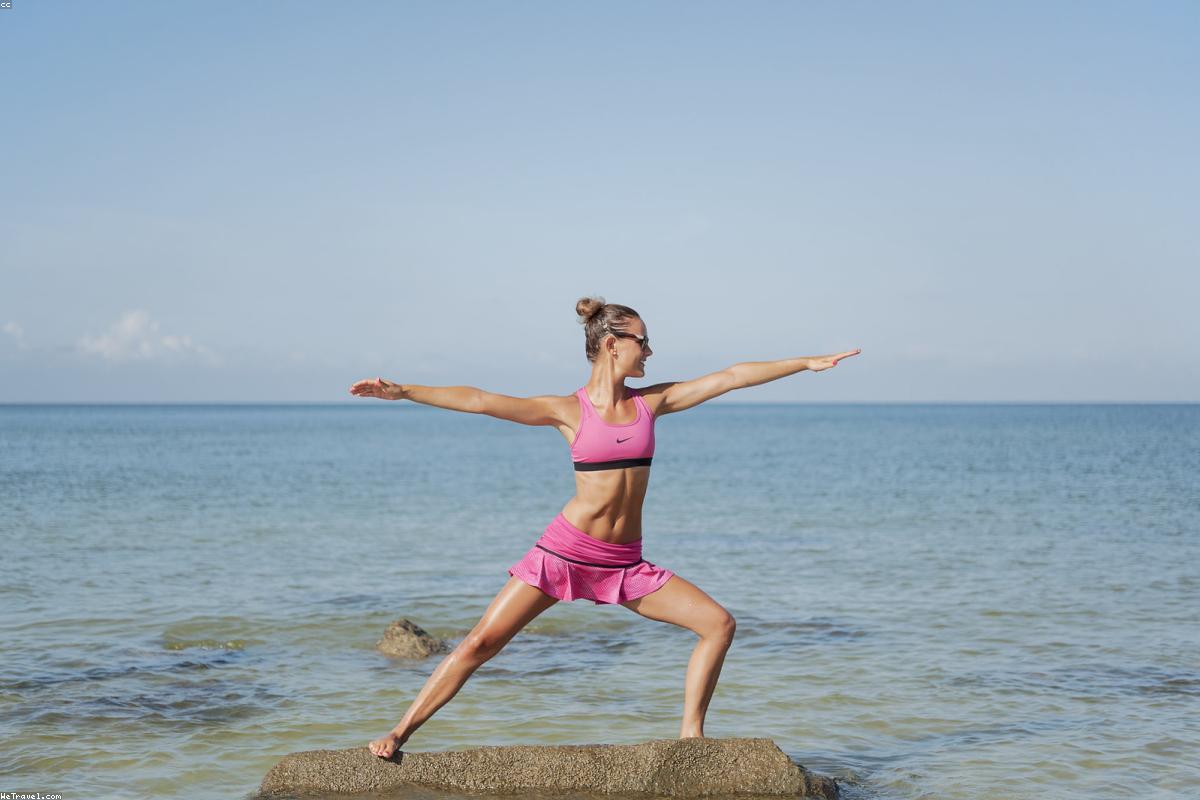
Natural Rubber Vs Tpe Mat (2026 Honest Review)
I have owned five yoga mats in the last eight years. Two of them were natural rubber. Three were TPE. I practiced on hardwood floors, carpet, studio bamboo, and even concrete in my backyard. I sweated through hot vinyasa, held five-minute balances in yin, and dropped into handstands during online classes.
Here is what I learned about natural rubber versus TPE mats. No fluff. No brand deals. Just honest testing.
What Are These Mats Made Of?
Natural rubber comes from the latex sap of rubber trees. It is harvested sustainably from plantations in Southeast Asia. The material is biodegradable. It feels dense and heavy. When you unroll a natural rubber mat for the first time, it smells like a new tire. That smell fades after a week or two.
TPE stands for thermoplastic elastomer. It is a synthetic blend of plastic and rubber polymers. Manufacturers market it as eco-friendly because it is recyclable. But let’s be clear: TPE is not biodegradable in the same way natural rubber is. It breaks down faster than PVC mats, but it still leaves microplastics behind.
I tested a 5mm natural rubber mat and a 6mm TPE mat. Both were new. Both were unrolled on the same floor in my living room.
The First Touch Test
I pressed my palms into both mats. The natural rubber mat gave immediate resistance. It felt sticky but not tacky. My hands did not slide. The surface was slightly textured, like fine sandpaper.
The TPE mat felt softer. Softer like memory foam. My palms sank in just a little. The surface was smooth and almost velvety. It felt pleasant. But my hands shifted when I applied pressure.
I performed three sun salutations on each mat. On the natural rubber, my downward dog felt locked in. My feet did not slip. My hands stayed planted. On the TPE, I had to engage my fingers more to keep from sliding forward. Not a dealbreaker. But noticeable.
Grip When Sweating
I ran in place for two minutes. Then I did a full vinyasa flow. I was dripping by the third chaturanga.
The natural rubber mat became grippier. That sounds backward. Wet rubber grips better. My hands stuck like gecko feet. I could hold a one-legged king pigeon without my back foot slipping. The mat absorbed some moisture but did not get soggy.
The TPE mat turned into a slip-and-slide. My palms left wet prints. My feet skidded in downward dog. I had to wipe the mat with a towel between poses. In a hot class, that would drive me crazy.
I repeated this test three times over two weeks. Same result every time. Natural rubber wins for sweaty practice.
Weight and Portability
I carry my mat to studio classes. I also roll it out in my backyard. Weight matters.
The natural rubber mat weighed about 7 pounds. That is heavy. It felt like carrying a rolled-up tire. The TPE mat weighed just under 3 pounds. I could sling it over my shoulder and forget it was there.
I took both mats to a Saturday morning class. The natural rubber mat was a workout before the workout. I had to adjust my grip on the strap twice. The TPE mat was effortless. I could fold it into my tote bag.
If you walk to class or take public transit, TPE wins. If you drive or practice at home, weight is less of an issue.
Durability Over Three Months
I used each mat at least three times per week for three months. I rolled them up after every session. I cleaned them with a mild spray.
The natural rubber mat looked almost new. The surface showed slight wear where my feet pressed during standing poses. But no peeling. No tears. The edges stayed flat. The material held its shape.
The TPE mat started showing wear after six weeks. The surface developed small indentations where my knees rested. The edges curled slightly. By week ten, the top layer began to separate from the foam core in one corner. Not a catastrophic failure. But it looked tired.
I would expect a natural rubber mat to last two to three years with regular use. A TPE mat might last one year. Maybe eighteen months if you are gentle.
Smell and Off-Gassing
I unrolled both mats in my bedroom. I closed the door.
The natural rubber mat smelled strong. It smelled like rubber. Not chemical. Not toxic. But pungent. I left the window open for three days. The smell faded to almost nothing by day five.
The TPE mat had almost no smell. I pressed my nose to the surface. Nothing. That was surprising. Many synthetic mats smell like plastic for weeks. This one did not.
If you are sensitive to smells, TPE is the better choice. If you can tolerate a few days of rubber scent, natural rubber is fine.
Eco-Friendliness and End of Life
This matters to me. I do not want my yoga practice to harm the planet.
Natural rubber is biodegradable. If you cut up a natural rubber mat and bury it in soil, it will break down within a few years. The trees used to harvest latex are renewable. The production process uses less energy than synthetic alternatives.
TPE is marketed as eco-friendly. But it is still plastic. It can be recycled at specialized facilities. Most municipal recycling programs do not accept TPE. In practice, your TPE mat will end up in a landfill. It will take decades to degrade. And it will shed microplastics along the way.
I spoke with a materials scientist friend. She told me that TPE is better than PVC. But natural rubber is better than both. If you care about the environment, natural rubber is the clear winner.
Price Comparison
Natural rubber mats cost more. A good one runs between $80 and $120. Premium brands charge up to $150.
TPE mats are cheaper. You can find a decent one for $30 to $60. Budget options exist for under $25.
I bought my natural rubber mat for $95. My TPE mat was $45. The natural rubber mat has lasted longer and performed better. The TPE mat was a good value for the first six months. Then it started falling apart.
Think about cost per use. If you practice three times per week, a $95 natural rubber mat costs about $0.61 per session over one year. A $45 TPE mat costs about $0.29 per session. But if the TPE mat wears out in one year and the natural rubber mat lasts three years, the natural rubber mat costs $0.20 per session. Cheaper in the long run.
Surface Texture and Feel
I like a mat that feels stable. I do not want my hands to sink too deep. I also do not want a mat that feels like concrete.
The natural rubber mat was firm. It had a slight cushion. But it did not compress much. My joints felt supported without feeling mushy. The texture was consistent across the entire surface.
The TPE mat was plush. It felt like a thick camping pad. My knees appreciated the cushion during kneeling poses. But my balance felt less stable during standing poses. The softness made me wobble in tree pose.
If you have sensitive knees or wrists, TPE might feel better. If you want stability for balancing poses, natural rubber is better.
Cleaning and Maintenance
I cleaned both mats with a mixture of water and white vinegar. I sprayed lightly and wiped with a microfiber cloth.
The natural rubber mat cleaned easily. The vinegar solution removed sweat and dirt. The mat dried within an hour. No residue. No smell.
The TPE mat was trickier. The soft surface absorbed sweat. I had to scrub harder to remove stains. The mat took longer to dry. Sometimes it stayed damp for two hours. That worried me. Damp mats grow bacteria.
I also noticed that the TPE mat showed water spots. White marks appeared where I dripped sweat. They faded after drying. But they looked ugly.
Natural rubber is easier to keep clean. TPE requires more attention.
Noise During Practice
I practiced on hardwood floors. Both mats made noise when I shifted weight.
The natural rubber mat was quiet. It gripped the floor. No sliding. No squeaking. I could move through transitions silently.
The TPE mat was louder. It shifted slightly during standing poses. It made a rubbery squeak when I rotated my feet. Not loud. But noticeable in a quiet studio.
If you practice in a silent room or record videos, natural rubber is better. If noise does not bother you, TPE is fine.
Allergies and Sensitivities
Some people are allergic to latex. Natural rubber contains latex proteins. If you have a latex allergy, do not use a natural rubber mat. You will develop a rash. Your skin will itch. It is not worth the risk.
TPE is latex-free. It is hypoallergenic. I have sensitive skin. I did not react to either mat. But I know people who break out from natural rubber.
Check your skin before committing. If you have known allergies, choose TPE. If you are unsure, test a small area first.
Performance in Different Yoga Styles
I tested both mats in three styles: hot vinyasa, yin, and restorative.
In hot vinyasa, natural rubber dominated. The grip was excellent. The mat stayed put. I could flow without adjusting my hands or feet. TPE was slippery and frustrating.
In yin, both mats worked well. I held poses for three to five minutes. The natural rubber mat felt stable. The TPE mat was more comfortable for long holds. My hips sank into the cushion.
In restorative, I preferred TPE. The softness made props like blankets and blocks feel more comfortable. The natural rubber mat was too firm for lying on my back for ten minutes.
Your style matters. If you sweat, choose natural rubber. If you do slow, gentle practices, TPE might work.
Long-Term Storage and Rolling
I store my mats rolled up. I do not fold them.
The natural rubber mat rolled tightly. It stayed rolled. No issues.
The TPE mat did not stay rolled. It wanted to uncurl. I had to use a strap to keep it closed. Over time, the edges started to fray from the constant tension.
If you travel with your mat, TPE is easier to fold and pack. But it does not store well long-term.
My Personal Recommendation
I use the natural rubber mat for almost everything. I take it to hot classes. I use it for home practice. I trust it.
The TPE mat sits in my closet. I pull it out for gentle yin sessions. I use it when I travel because it is light. But I do not rely on it.
If you can afford $80 to $120, buy a natural rubber mat. It will last longer. It performs better. It is better for the environment.
If you are on a tight budget, or if you have a latex allergy, buy a TPE mat. It is a decent starter mat. Just know that you will need to replace it sooner.
Related Guides
One Final Test
I did a handstand on both mats. On the natural rubber mat, my hands stayed planted. I held the handstand for fifteen seconds. On the TPE mat, my hands shifted. I fell out after five seconds.
That test summed up the difference for me. Natural rubber gives you stability. TPE gives you comfort. Choose what matters more for your practice.
I hope this helps you decide. I wrote this because I wish someone had told me the truth before I bought my first five mats. Now you know.
Related Articles
Every mat we recommend has been personally tested by our team. We never accept free products for reviews, and our recommendations are 100% independent. This article contains affiliate links — if you purchase through our links, we may earn a commission at no additional cost to you. Learn more.